
Quick Summary: In 2026, the choice between Python and Rust isn’t about which is “better,” but which is right for your specific goal. Python remains the king of AI experimentation, while Rust has become the gold standard for AI infrastructure and performance.
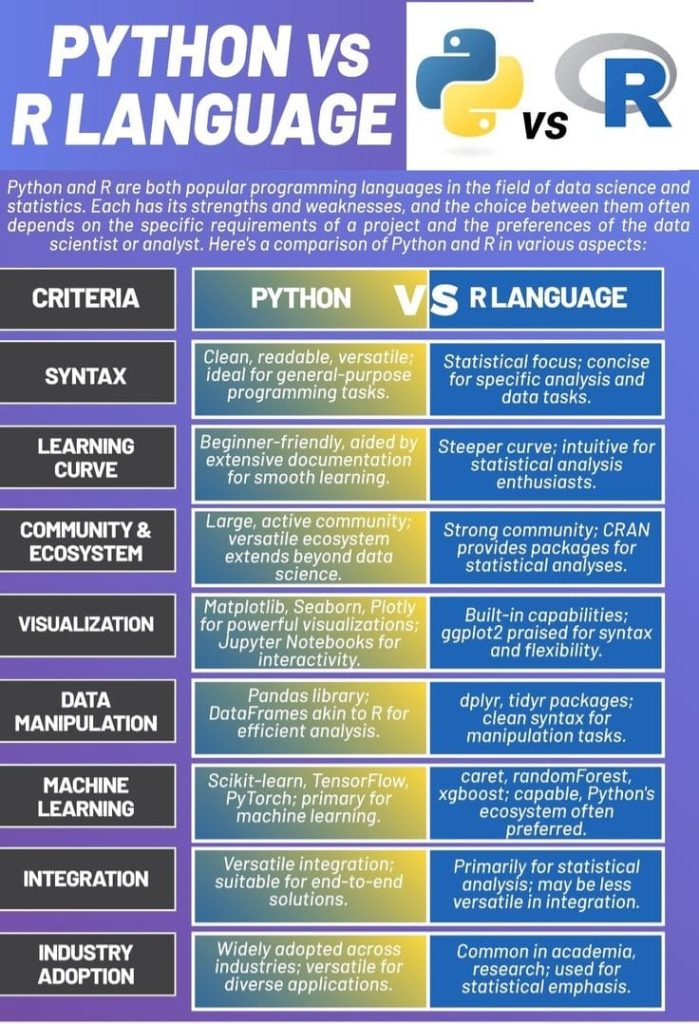
Table of Contents
- The 2026 Landscape: Why This Debate Matters Now
- Python: The Undisputed King of Rapid Development
- Rust: The New Standard for Speed and Safety
- Head-to-Head Comparison (Speed, Memory, Learning Curve)
- The “Hybrid” Reality: Why You Might Need Both
- Career Outlook: Salary and Job Trends
- The Verdict: Which One Should You Learn?
<a name=”landscape”></a>
1. The 2026 Landscape: Why This Debate Matters Now
In previous years, Python was the only name in AI. However, as AI models have grown massive, the cost of running them has skyrocketed. Companies are no longer just asking, “Can we build it?” They are asking, “Can we build it to be fast and cheap?” This is where Rust entered the chat. In 2026, we see a “dual-language” ecosystem where Python handles the logic and Rust handles the heavy lifting.
<a name=”python-king”></a>
2. Python: The Undisputed King of Rapid Development
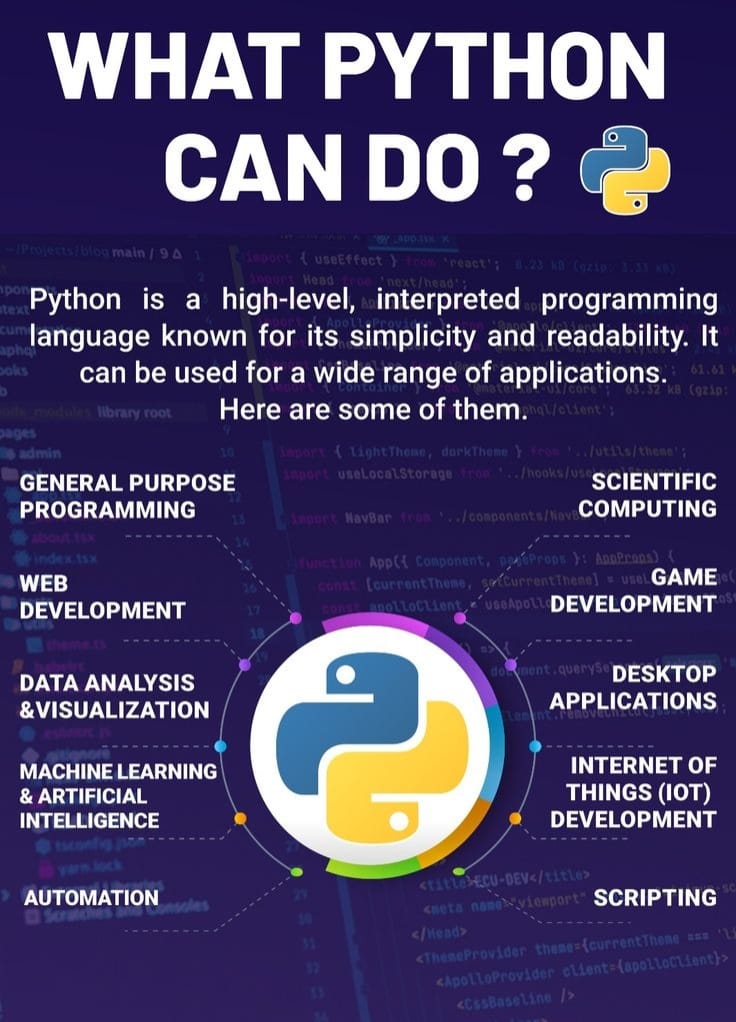
Python continues to dominate because of its ecosystem. If you are stuck on a problem, a library already exists to fix it.
- Pros: * Readability: It reads like English, making it perfect for beginners.
- AI Libraries:PyTorch 3.0 and TensorFlow continue to be Python-first.
- Prototyping: You can go from an idea to a working script in minutes.
- Cons: * Speed: It is an interpreted language, meaning it is significantly slower than compiled languages.
- Global Interpreter Lock (GIL): While improvements have been made, Python still struggles with true multi-core parallel processing compared to Rust.
<a name=”rust-speed”></a>
3. Rust: The New Standard for Speed and Safety
Rust is no longer a “niche” language. In 2026, it is used by Linux, Windows, and every major AI cloud provider.
- Pros:
- Memory Safety: Rust prevents common bugs (null pointer exceptions) that cause software to crash.
- Performance: It matches C++ for speed, making it 10x to 100x faster than Python for data processing.
- No Garbage Collector: This means there are no “pauses” in your software, which is critical for real-time AI.
- Cons:
- The Learning Curve: The “Borrow Checker” (Rust’s way of managing memory) can be frustrating for beginners.
- Development Time: It takes longer to write “correct” Rust code than it does to write a Python script.
<a name=”comparison”></a>
4. Head-to-Head Comparison
| Feature | Python | Rust |
| Execution Speed | Slow (Interpreted) | Blazing Fast (Compiled) |
| Learning Difficulty | Easy (1-2 months for basics) | Hard (6-12 months for mastery) |
| Best For | Data Science, AI Research, Scripting | System Tooling, AI Engines, Gaming |
| Memory Management | Automatic (Garbage Collected) | Manual (Ownership Model – High Safety) |
| Community Support | Massive / Decades of libraries | Rapidly Growing / Highly Technical |
<a name=”hybrid”></a>
5. The “Hybrid” Reality: Why You Might Need Both
In 2026, the most successful developers are “Bilingual.” They use Python for the “Wrapper” (the interface and the user logic) and Rust for the “Core” (the part that processes billions of data points). Tools like PyO3 allow you to write Rust code and call it directly from Python.
<a name=”career”></a>
6. Career Outlook: Salary and Job Trends
- Python Roles: High volume of jobs. Every company needs a Python developer for automation and data analysis. Average salary: Competitive.
- Rust Roles: Fewer jobs, but higher pay. Companies hiring Rust developers are usually working on high-performance infrastructure, blockchain, or LLM optimization. Average salary: Premium.
<a name=”verdict”></a>
7. The Verdict: Which One Should You Learn?
- Choose Python if: You are a beginner, interested in Data Science, or want to build MVPs (Minimum Viable Products) quickly.
- Choose Rust if: You already know a language, you want to build high-performance systems, or you want to work in the deep “engine room” of AI technology.
Looking to Master One of These?
At Eduglar, we provide hands-on training tailored to the 2026 job market. Whether you want to start with our Python for AI Foundation course or dive into High-Performance Systems with Rust, we have the experts to guide you.
[Explore our IT Training Courses Here] or [Contact us for a Software Consultation]